Understanding Electronic Wristband Access Control
As events continue to evolve, the need for effective access control solutions becomes paramount. Electronic wristbands, especially those equipped with Near Field Communication (NFC) technology, are revolutionizing how event organizers manage attendee access and experience. These innovative devices streamline processes, enhance security, and create a more enjoyable environment for guests. By incorporating control de acceso con pulsera electrónica, event planners can significantly improve their logistical operations while also providing attendees with a seamless experience.
What is Access Control with Electronic Wristbands?
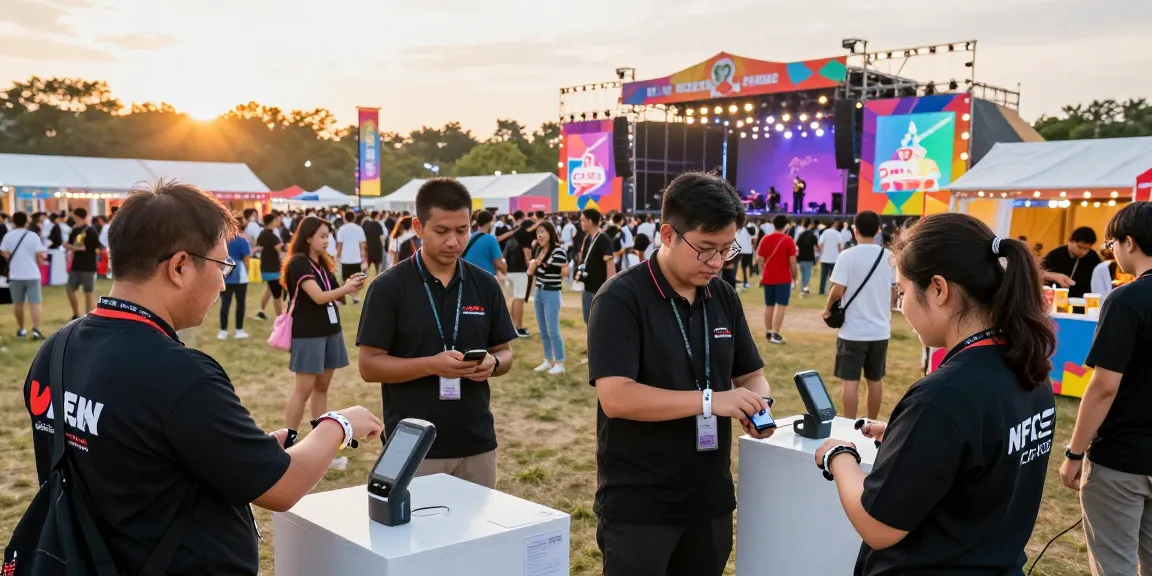
Access control with electronic wristbands refers to the use of wearable technology to manage and monitor entry points at events. These wristbands contain embedded NFC chips that communicate with readers installed at various access points. As attendees arrive, they simply tap their wristbands against the reader, allowing for quick and efficient entry. This method improves crowd management and ensures that only authorized individuals can access certain areas, thereby enhancing security.
Benefits of Using Electronic Wristbands in Events
- Speed and Efficiency: Traditional ticketing methods often result in long lines and delays at entry points. Electronic wristbands expedite this process, allowing venues to manage thousands of attendees smoothly.
- Data Collection: Event organizers can collect valuable data on attendee behavior and preferences through wristband interactions. This data is crucial for optimizing future events.
- Enhanced Security: Electronic wristbands reduce the risk of fraud and unauthorized access, providing peace of mind for organizers and attendees alike.
- Cashless Transactions: With NFC technology, attendees can make purchases for food, drinks, and merchandise without the need for cash or cards, streamlining the payment process.
Challenges in Implementing NFC Technology
While there are numerous advantages to using electronic wristbands, implementing NFC technology can come with its own set of challenges. Event organizers may face initial costs related to purchasing and installing the necessary infrastructure. Additionally, ensuring that all staff are trained to operate the technology and handle any potential issues that arise is crucial for success. Overcoming these challenges is essential to fully realize the benefits of this innovative solution.
Choosing the Right Technology for Your Event
Selecting the appropriate technology for access control is vital for event success. The choice often comes down to whether to use NFC or RFID technology, each offering distinct benefits and considerations for various event types.
Comparing NFC and RFID Technologies
NFC (Near Field Communication) and RFID (Radio Frequency Identification) are both wireless technologies used for communication between devices. While RFID allows for longer read ranges, NFC is specifically designed for short-range communication, typically requiring devices to be within a few centimeters of each other. This characteristic makes NFC ideal for events, as it encourages direct interaction between attendees and kiosks or readers, enhancing security.
Key Features to Look for in Access Control Solutions
When selecting access control solutions, it’s essential to consider various features to ensure they meet your event’s needs. Look for the following:
- Real-Time Monitoring: Choose a system that allows for the centralized tracking of attendance and access patterns.
- Scalability: Depending on the event size, your access control solution should be adaptable to manage both small gatherings and large festivals.
- Integration Capabilities: The ability to connect with existing systems, such as ticketing platforms, is crucial for a seamless operation.
- User-Friendly Interfaces: Both staff and attendees should find the system easy to navigate and operate.
Customizing Solutions for Different Event Sizes
Every event is unique, and so are its access control needs. For smaller corporate functions, a simple NFC wristband system may suffice, while larger festivals may require a more complex infrastructure. The customization process should take into account anticipated attendance, venue layout, and specific security requirements to create the most effective system.
Implementing Electronic Wristband Solutions
Step-by-Step Guide to Setting Up Access Control
Successfully implementing an electronic wristband access control system involves several key steps:
- Assess Your Needs: Determine the size and scope of your event, along with any specific requirements for security and data collection.
- Select Technology: Choose between NFC and RFID based on your event’s needs and budget.
- Procure Equipment: Obtain the necessary wristbands, readers, and backend systems required for operation.
- Test the System: Conduct thorough testing before the event to ensure everything operates smoothly.
- Train Staff: Equip staff with the knowledge and tools they need to manage the system effectively.
Training Staff for Seamless Event Operations
Training is a critical component of implementing any new system. Staff should be thoroughly educated on how to use the wristband technology, troubleshoot common issues, and assist attendees with any questions they may have. Offering hands-on training sessions and providing easy-to-follow guides will enhance overall event efficiency.
Real-Time Monitoring and Data Management
One of the significant advantages of using electronic wristbands is the ability to monitor data in real time. Organizers can access cloud-based dashboards that display live attendance numbers, entry/exit patterns, and even transaction details. This information can be invaluable for making on-the-fly adjustments to enhance attendee experience and safety.
Enhancing Visitor Experience through Cashless Payments
Cashless payments via electronic wristbands not only streamline purchasing processes but also significantly enhance the overall festival experience.
Integrating Payments with Access Control Systems
The integration of cashless payment systems with access control technology creates a frictionless experience for attendees. Users can preload funds onto their wristbands, allowing them to make purchases at various points throughout the event without having to carry cash or cards.
Boosting Vendor Sales with Wristband Technology
By implementing cashless transactions, vendors can see a noticeable increase in sales. Attendees are more likely to spend freely when they can make quick purchases without worrying about carrying money or waiting in long lines for transactions.
Customer Feedback and Continuous Improvement Strategies
Post-event surveys and feedback mechanisms are essential for continuous improvement. Gathering data on attendee experiences can help organizers identify areas for enhancement, ensuring each subsequent event is better than the last.
Future Trends in Event Management Technology
The events industry is constantly evolving, with new technologies emerging that promise to reshape the way we manage gatherings.
Emerging Innovations in Wristband Technology
As we look toward the future, innovations such as biometric wristbands, which can verify identity through unique physical characteristics, are on the horizon. These advancements could further enhance security and streamline access control processes.
Predictions for the Events Industry in 2026
By 2026, we predict that technology will play an even larger role in event management. Increased reliance on data analytics, virtual reality experiences, and enhanced attendee interactivity will redefine how events are designed and executed.
Preparing for a Cashless Future in Event Experiences
As we move towards a cashless society, event organizers must prepare to adapt. This preparation includes investing in the technology needed for cashless payments and understanding how to manage the associated data securely and efficiently.
How can wristbands enhance event security?
Wristbands can enhance event security by providing an easy way to monitor who enters and exits venues. The integration of real-time data tracking adds an additional layer of safety, as organizers can quickly identify unauthorized access attempts.
What are the costs associated with electronic access control solutions?
Costs can vary significantly based on the scale of the event and the technology chosen. Initial investments include purchasing wristbands, readers, and software, while ongoing expenses might encompass maintenance and data management services.
How do cashless payments improve the festival experience?
Cashless payments simplify the purchasing process, allowing attendees to enjoy their experience without the hassle of carrying cash or waiting in long lines. This convenience increases overall satisfaction and encourages spending.
What real-world examples illustrate successful implementations?
One notable example is the SoundWave Festival, which successfully managed the entry of 40,000 attendees without any queues, thanks to their electronic wristband system. Such implementations provide insights into the effectiveness of modern access control solutions.
How can I ensure my staff are well-prepared for using NFC technology?
Providing comprehensive training and easy-to-use resources is key to ensuring staff are prepared. Conducting mock drills before the event can also help familiarize them with the technology.