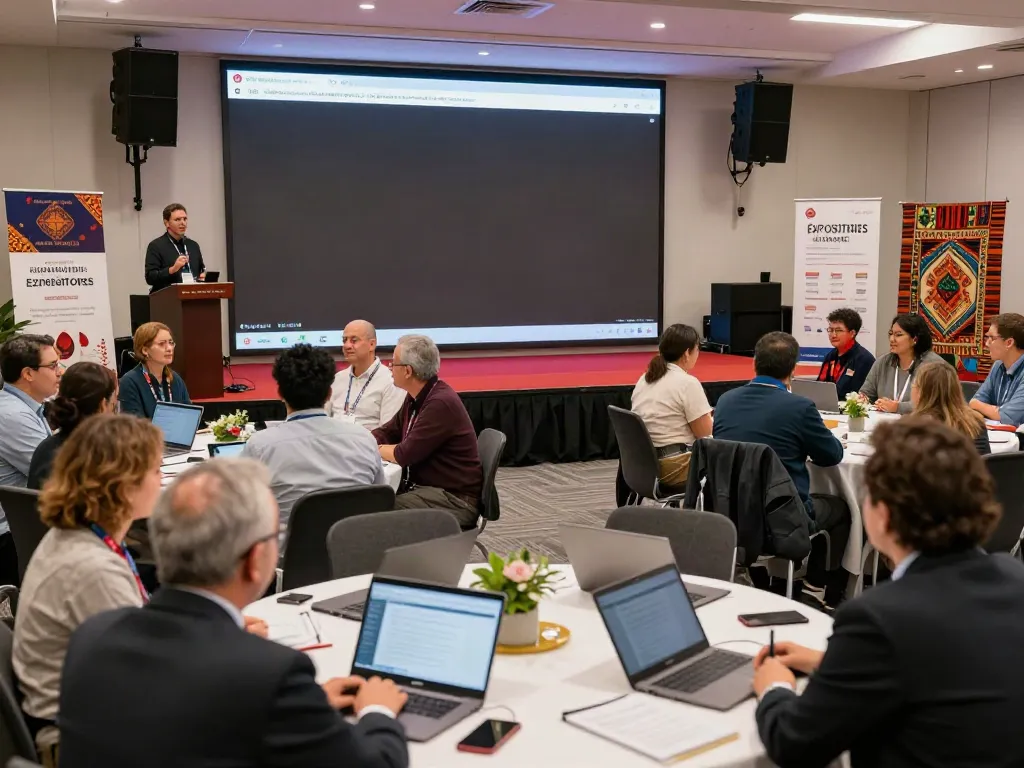
Understanding Expositores: Definition and Importance
The term expositores refers to individuals or entities that present information, products, or services at events such as trade shows, conferences, and exhibitions. In recent years, the role of expositores has evolved significantly, reflecting broader changes in audience engagement strategies and industry standards. Understanding the multifaceted nature of expositores is essential for both presenters and organizers looking to create impactful experiences. When exploring options, Expositores can provide comprehensive insights into the best practices and innovations in this field.
What Are Expositores?
Expositores are typically professionals or companies that take part in exhibitions to showcase their offerings. They play a key role in the marketplace, as they not only present products but also facilitate conversations and connections within their industries. By sharing knowledge and expertise, expositores can elevate community understanding of specific topics while building brand loyalty. This aspect of engagement is crucial in today’s competitive landscape where information overload is common.
The Role of Expositores in Community Building
Expositores contribute significantly to community building by fostering relationships among various stakeholders. They create platforms for interaction, enabling attendees to engage in discussions that can lead to collaborations and partnerships. These engagements are invaluable in sectors such as technology, education, and healthcare, where knowledge sharing is critical for advancement. Additionally, expositores often serve as the bridge between consumers and innovation by introducing new ideas and products that meet the evolving needs of the community.
Common Misconceptions About Expositores
One common misconception about expositores is that their role is purely transactional. While the sale of products is certainly a component, expositores are also educators and influencers. They provide valuable insights that empower audiences to make informed decisions. Furthermore, some people believe that being an expositor requires extensive expertise in a specific subject, while in reality, effective communication and storytelling skills can be equally important in reaching an audience.
Preparing for Your Engagement as an Expositor
Preparation is key to success as an expositor. Understanding your audience, the topics at hand, and the overall mission of your presentation or exhibit can make a significant difference in the impact you have. For prospective expositores, honing specific skills and utilizing the right tools are paramount for maximizing effectiveness.
Essential Skills for Effective Expositores
Successful expositores possess a combination of soft skills and domain knowledge. Essential skills include:
- Presentation Skills: Effectively conveying information in an engaging manner.
- Communication Skills: Active listening and clear articulation of ideas.
- Networking Skills: Building connections and establishing rapport with attendees.
- Adaptability: Adjusting strategies based on audience feedback and responses.
Creating Engaging Content for Your Audience
Creating engaging content is vital for capturing audience interest. This can include practical demonstrations, interactive discussions, and visually appealing materials. Utilizing storytelling techniques to relate personal experiences or case studies makes the content more relatable and memorable. Additionally, leveraging data and analytics to inform your content strategy can help in tailoring messages that resonate with your target demographic.
Tools and Resources for Expositores
In the digital age, various tools are available to enhance the effectiveness of expositores. These include:
- Presentation Software: Tools like PowerPoint or Prezi to create visually appealing presentations.
- Social Media Platforms: Utilizing platforms like LinkedIn or Twitter to promote your presence and engage with an audience pre- and post-event.
- Collaboration Tools: Applications like Slack or Trello for coordinating with team members prior to the event.
- Feedback Tools: Surveys and polls to gather audience feedback for continuous improvement.
Best Practices for Successful Expositor Sessions
Implementing best practices can significantly enhance the effectiveness of your expositor sessions. By focusing on audience engagement strategies, expositores can foster a memorable experience that encourages participation and interaction.
Strategies for Captivating Your Audience
To captivate your audience, consider incorporating the following strategies:
- Interactive Elements: Use audience participation techniques such as Q&A sessions or live polls.
- Personal Stories: Share relatable anecdotes that link your message to real-world experiences.
- Clear Call to Action: Provide specific steps for attendees to take after the session, empowering them to act on what they’ve learned.
Utilizing Multimedia to Enhance Engagement
Incorporating multimedia elements like videos, infographics, or live demonstrations can significantly enhance engagement during your presentation. These tools not only break the monotony of traditional lectures but also cater to varying learning styles, making content accessible to a wider audience.
Feedback Mechanisms: Learning from Your Audience
Feedback is essential for growth. Implement mechanisms to gather audience reactions and insights, such as post-session surveys or informal discussions. This information can guide future expositor sessions, helping to refine techniques and content delivery.
Examples of Successful Expositores
Learning from successful expositor cases can provide valuable insights into effective strategies and potential pitfalls. Analyzing various conferences can illuminate best practices and innovative approaches.
Case Studies from Recent Conferences
Several recent conferences have showcased exemplary expositor practices. For instance, the annual Tech Innovations Expo featured interactive booths where expositores demonstrated new technology live, allowing attendees to experience products firsthand. This not only increased engagement but also resulted in higher sales conversions directly from the event.
Innovative Approaches by Industry Leaders
Industry leaders often set the standard for effective expositores. A notable example is the annual Marketing Summit, where leading brands utilize immersive experiences, such as virtual reality demos, to engage participants deeply. This innovative use of technology has proven effective in creating memorable interactions and forging stronger connections with potential customers.
Lessons Learned from Expositor Failures
Not every expositor experience is successful. For example, a prominent brand's expositor session at a major trade show was poorly received due to lack of audience engagement and unclear messaging. This serves as a reminder that preparation and audience-focused content are critical. Learning from these missteps can be transformative for future presentations.
Future Trends for Expositores in 2026
The landscape for expositores is continuously evolving, heavily influenced by technological advancements and changing audience expectations. Looking toward 2026, several trends are emerging that may shape the direction of expositor practices.
Emerging Technologies Impacting Expositores
Emerging technologies, such as augmented reality (AR) and artificial intelligence (AI), are set to revolutionize expositor sessions. These tools can provide personalized experiences, enabling expositores to tailor content and interactions based on individual attendee interests and behaviors.
Predictions for Community Engagement Strategies
As communities become more interconnected, expositores will need to adapt their strategies for engagement. This may involve utilizing social media more effectively to create pre-event buzz and maintaining post-event communication to keep the conversation alive.
Preparing for Changes in Audience Expectations
As audiences become more discerning, expositores must anticipate and adapt to changing expectations. This includes a demand for not only informative content but also meaningful interactions that resonate on a personal level. Building authentic connections will be critical for success in this evolving environment.
What qualities should I look for in an Expositor?
When selecting an expositor, look for qualities such as experience, effective communication skills, and a passion for the subject matter. They should be adaptable and responsive to audience needs, demonstrating the ability to engage effectively in various formats.
How can I become an effective Expositor?
To become an effective expositor, invest in developing both your subject matter expertise and public speaking skills. Practice presenting your content before peers for feedback and continually seek opportunities to engage with your audience through various channels.
What tools are beneficial for Expositores?
Expositores can benefit from a variety of tools, including presentation software for visual aids, social media for networking, and analytics tools to measure engagement. Implementing these tools can streamline processes and enhance the overall impact of presentations.
How to measure the success of an Expositor session?
Success can be measured through various metrics such as audience engagement levels, feedback ratings, and post-event follow-up interactions. Setting clear objectives prior to the session will enable you to analyze outcomes more effectively.
What are the common challenges faced by Expositores?
Common challenges include audience disengagement, ineffective messaging, and logistical issues. To overcome these hurdles, expositores must be proactive in their preparation and remain open to iterating on their approach based on audience feedback.